
Catering is where the money is, and where websites fail
For many independent restaurants in metro Atlanta, catering is the highest-margin business they do: office lunches, church events, graduations, showers, game days. Yet most restaurant websites handle it with a phone number and "call for catering." The customer has to call during service, a busy employee jots notes on a ticket, and half the details (headcount, date, delivery address, dietary needs) get missed or come back in three more calls.
Meanwhile, the office manager in Peachtree Corners or Lawrenceville who needs lunch for 40 next Thursday is filling out a form on a competitor's site.
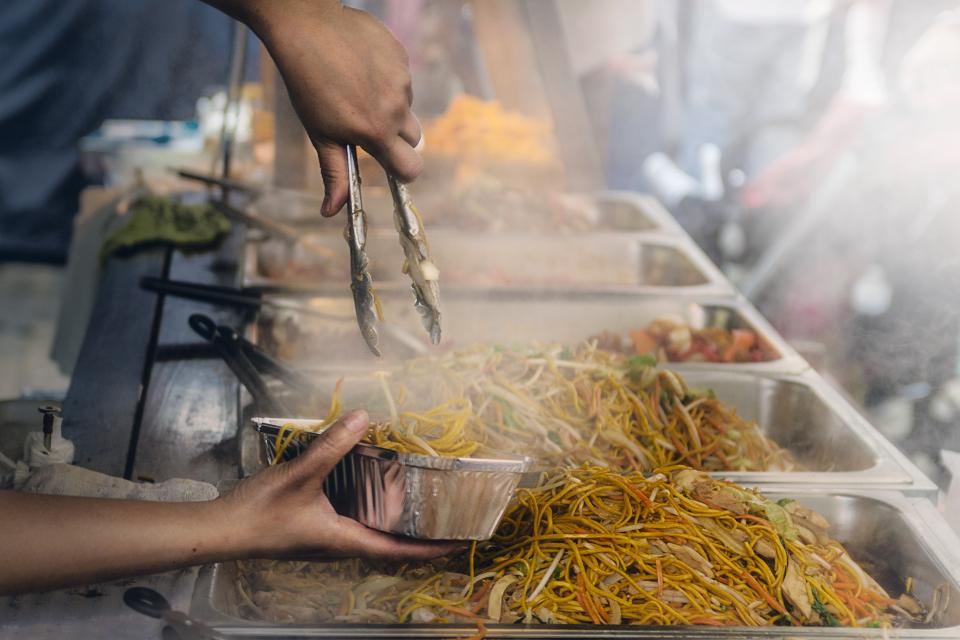
A catering quote builder
We build catering ordering around the decisions a customer actually makes:
- Event basics: date, time, headcount and pickup or delivery, with your lead-time rules enforced automatically (for example, no orders under 48 hours, or larger orders need a week).
- Packages and trays with per-person pricing, sizes and add-ons, and the total calculated as they build it.
- Delivery zones and fees based on distance or ZIP code, with minimums for delivery.
- Dietary notes, setup needs and on-site service collected up front.
- Deposits or full prepayment through your own payment processor, plus a confirmation email with everything in writing.
- A catering inbox in your owner portal showing every request, its status and the follow-up, so nothing gets lost on a sticky note.
Direct ordering without the commission
Delivery apps are useful for discovery, but they're expensive. DoorDash's published merchant plans charge 15%, 25% or 30% commission on app delivery orders depending on the plan, and 6% on pickup orders. That makes sense for a new customer the app found for you. It makes much less sense for your regulars, who would happily order from you directly if it were easy.
Your site's online ordering takes pickup (and delivery, if you run it) on your own domain, with standard card processing and no commission. Many restaurants keep the apps for reach and use their own site, Google listing and receipts to move repeat customers to direct ordering.
Menus you control
Price changes, sold-out items, seasonal specials and holiday hours shouldn't wait on a web developer. Your owner portal lets you update menu items, prices, photos, hours and announcements from your phone. We also mark up your menu and restaurant details with structured data so Google understands your cuisine, price range, hours and ordering options.
Built for how people choose where to eat
Diners decide fast and on their phones. The essentials (menu, hours, location, order button and phone number) are one tap away on every page, photos are optimized to load quickly, and there are no PDF menus that are impossible to read on a phone. If your customers search in more than one language, we build properly indexed bilingual menus; see our Duluth and Norcross pages.